Mycelium
The (often invisible) weave of connection


I prefer to be tree-like: keeping still and quiet. Standing solitary and strong.
My husband once asked me how long I could go without talking to another person and I said, “Mmm, maybe three days?” That’s about the amount of time we can live without water. In other words, I can go to the brink of dehydration before I need people again. It’s not that I don’t value and crave human connection, it’s just that I also crave solitude. It restores a crucial sense of “me-ness.” To be honest, I can probably go for longer than three days without people if I’m in a forest.
“I only need trees,” I say to my husband. But as he and my therapist are quick to point out: that’s not the whole story.

I have a hard time trusting people and opening up about my needs. I’ve learned to over-rely on myself, sometimes to the point of collapse. I’m unique in that way, a hardy unicorn. I don’t know anyone else in this entire country who over-relies on themselves to the point of collapse. Especially not parents. Especially not ambitious creatives. Nope.
Nope.
The thing is, if we’re tree-like—especially if we’re tree-like—we aren’t solitary at all.
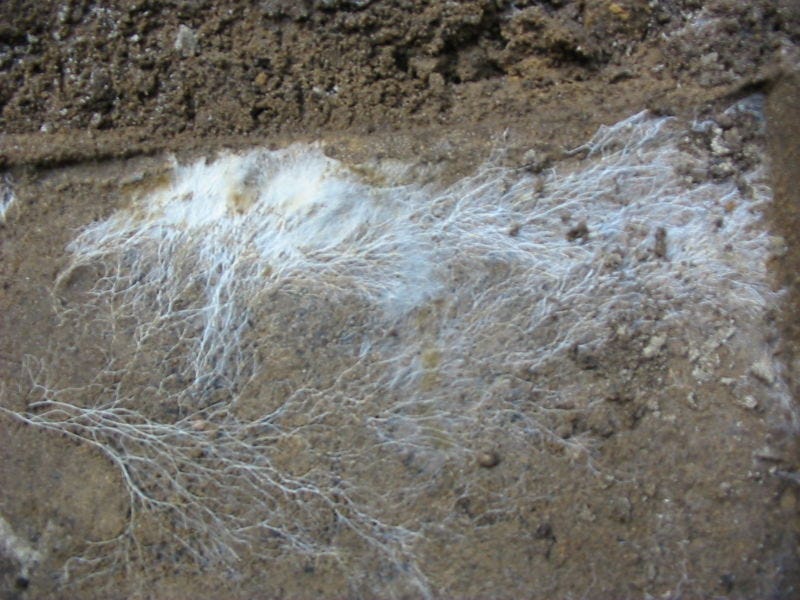
You probably know by now—either from popular books like The Secret Life of Trees, or pretty much any nature writing or literary nonfiction related to nature—that trees are connected by an underground weave of fungal mycelium. Thanks to fungus, nutrients and neurotransmitter-like information that warn of environmental threats travel from tree to tree, flowing where the need is greatest. This weave, affectionately known as the “wood wide web,” has a natural sense of balance. Research like Susanne Simard’s (Finding the Mother Tree) has taught us that competition isn’t the whole story of how trees survive in the forest. They cooperate, helping each other thrive so that the forest as a whole survives.

Trees have their shit figured out. Far better than we do, I’d say.
Our worldwide web feels like a never-ending flow of (often depressing) information. It doesn’t just make life feel more depressing, it also makes our lives feel faster paced than they truly are, or should be. Ironically, even social media accounts dedicated to slow living and cozy vibes use fast cuts and quick-paced reels to hook our attention. Our minds may have adjusted to the pace of information and the processing speed of social media, but our base-level biological rhythms are the same. (Right? Right?)
There are times when I can’t stand to open my laptop or anything that goes online. I feel over-exposed, like I’m folding hot laundry and being spiked by static. There are times when I leave my phone somewhere in the house, losing track of it, and go sit in the trees, happily trading the human world for spider bites, dirt, and downpours. I usually bring a paperback. After a while of reading in the branches, though, I have things to say. Thoughts I long to share out loud. More than that, I long for the trees to share their thoughts with me too—out loud, like a person would over a cup of coffee. Or in a book group.
Maybe the worldwide web can offer some meaningful avenues of connection. Maybe there are other folks out there who love books and magic like I do, and want to share and reflect on What It All Means (and, you know, chit chat about brands of dark chocolate and where to find Stars Hollow from Gilmore Girls).
Is this you? Will you be in my mycelial network? If so, join the Book Club Coven.
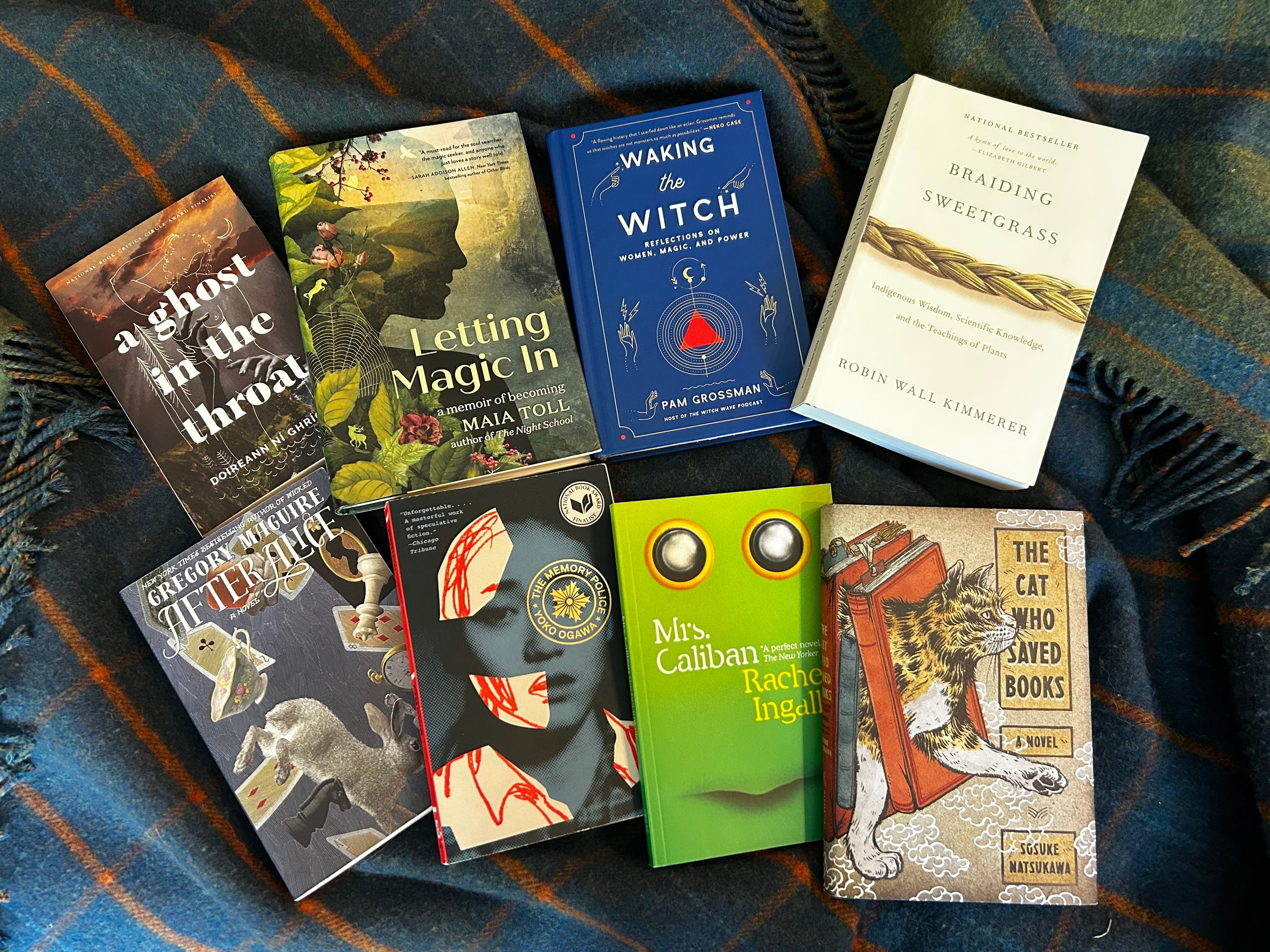
For only $10 a month, you’ll gain a supportive digital community of readers and writers of mystical nonfiction and magical realism. We’ll meet every four to five weeks on Zoom to check in with each other and reflect on our common reading. Between our online gatherings, we’ll keep the conversation going on Substack and Discord.
To join, click “subscribe” and choose the monthly paid plan, then tell me what you’re looking for. My hopes and dreams are only a launch point; it takes you to grow a community. Please share this with other open-hearted souls who might be interested.